Author: landonshelpman

  • Senate Confirms Kelly Loeffler as Administrator of the Small Business Administration

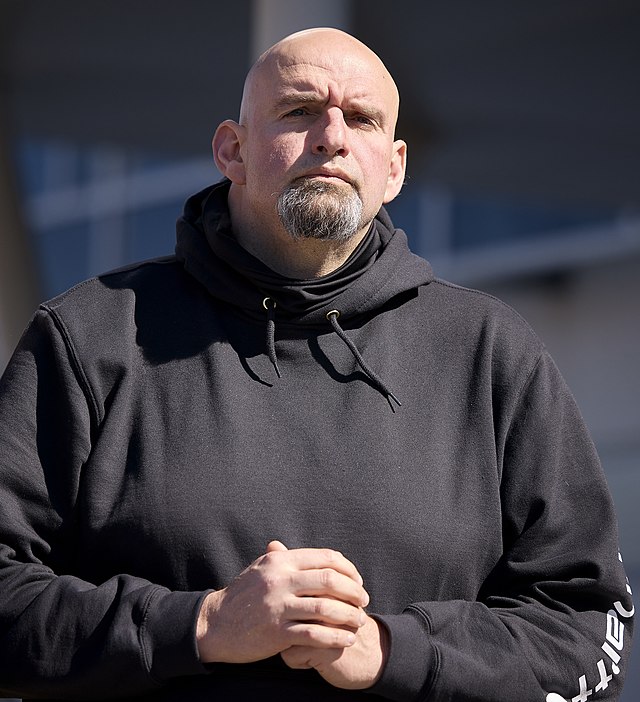
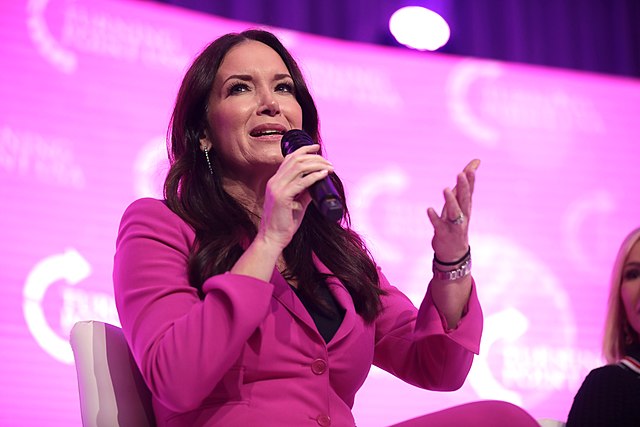
    In a closely watched vote, the Senate confirmed Kelly Loeffler as the new Administrator of the Small Business Administration (SBA) with a 59-46 vote on February 19, 2025. The confirmation marks a significant development for small business owners across the country, as the SBA plays a pivotal role in supporting entrepreneurship, access to capital, and economic growth.

    A Closer Look at the Vote

    The confirmation vote, 59-46, saw bipartisan support, with some members of both parties crossing the aisle. Loeffler, a former U.S. senator from Georgia and a business executive, now steps into a role that oversees loan programs, disaster relief efforts, and federal contracting assistance for small businesses nationwide.

    What This Means for Small Businesses

    As the leader of the SBA, Loeffler will be responsible for implementing policies that impact millions of small businesses, particularly in the wake of ongoing economic challenges. Some of the key areas to watch under her leadership include:

    • Access to Capital: Ensuring small businesses can secure loans and funding, particularly through SBA-backed programs.
    • Disaster Relief: Overseeing financial aid for businesses affected by natural disasters and economic downturns.
    • Federal Contracting Opportunities: Expanding small business participation in federal contracts.
    • Regulatory and Policy Advocacy: Representing small businesses in policy discussions that shape the economy.

    What to Expect Next

    Loeffler’s tenure at the SBA will likely be scrutinized as she takes on pressing issues such as inflation, labor shortages, and regulatory challenges. Business owners and industry leaders will be watching closely to see how she leverages her experience in both politics and the private sector to guide the agency.

    As she officially steps into the role, entrepreneurs and small business advocates will be eager to see how her leadership influences funding initiatives, grant programs, and economic recovery efforts across the country.

    Final Thoughts

    With small businesses being the backbone of the American economy, the SBA’s leadership plays a crucial role in shaping policies that drive growth and innovation. Kelly Loeffler’s confirmation signals the start of a new chapter for the agency—one that could bring both challenges and opportunities for small business owners nationwide.

  • A Look at Today’s House Proceedings: February 18, 2025

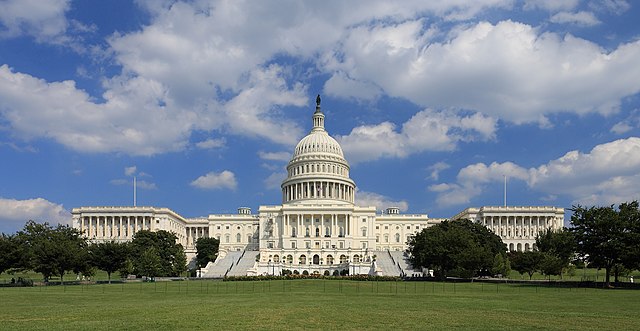
    The U.S. House of Representatives began its legislative day at 1:00 p.m. today, moving through a series of routine but essential formalities before adjourning for the week. While the session was relatively brief, it set the stage for upcoming legislative discussions and appointments. Here’s a quick rundown of today’s activities.

    Opening of the Session

    At precisely 1:00 p.m., the House convened to start the day’s proceedings. As tradition dictates, the session began with a prayer delivered by House Chaplain Margaret Grun Kibben, offering guidance and reflection before legislative work commenced.

    Following the prayer, the Pledge of Allegiance was recited, led by the presiding chair, reinforcing the unity and commitment of lawmakers to serve the nation.

    Leadership & Formal Approvals

    Shortly after the pledge, the Speaker’s designated representative for the day, the Honorable Riley M. Moore, took the gavel as Speaker pro tempore. This temporary appointment ensured a smooth legislative flow in the absence of the Speaker.

    One of the procedural steps involved the approval of the House Journal, the official record of the last legislative day’s proceedings. This step, while procedural, ensures transparency and continuity in House records.

    Key Appointments to the Joint Economic Committee

    One of the more notable actions of the day was the appointment of House members to the Joint Economic Committee (JEC), a bipartisan panel responsible for analyzing economic trends and advising Congress on policy decisions. The Speaker selected the following members to serve on this influential committee:

    • Mr. Arrington
    • Mr. Estes
    • Mr. Smucker
    • Ms. Malliotakis
    • Mrs. Spartz
    • Ms. Moore of Wisconsin
    • Mr. Casten
    • Mr. Min

    These members will play a critical role in shaping discussions on economic growth, labor markets, and fiscal policy in the months ahead.

    Adjournment and Next Meeting

    By 1:04 p.m., after completing the necessary proceedings, the Speaker announced adjournment pursuant to House rules. The next scheduled meeting is set for 3:30 p.m. on February 21, 2025, when legislative business will resume.

    What’s Next?

    While today’s session was procedural in nature, the appointment of the Joint Economic Committee members signals upcoming discussions on economic policy. As Congress reconvenes later this week, expect debates on pressing fiscal matters, including potential legislative responses to ongoing economic challenges.

    Stay tuned for further updates on key House activities and legislative developments!

  • A Short Day in the House: February 17, 2025

    The House of Representatives met briefly on February 17, 2025, handling a few procedural matters before adjourning until February 18, 2025, at 1:00 PM. With no major legislative votes on the agenda, the session focused on administrative tasks and committee appointments.


    Key Actions of the Day

    📜 Senate Passes S. 146 – The House received a message from the Secretary of the Senate confirming that the Senate passed S. 146, the “Take It DOWN” Act

    🏛️ Commission Appointment – The Democratic Leader appointed Dennis Cheng of New York to the Commission to Study the Potential Creation of a National Museum of Asian Pacific History and Culture, continuing efforts to explore a permanent institution dedicated to Asian Pacific American heritage.

    🙏 Opening Proceedings – The session began with a prayer by House Chaplain Margaret Grun Kibben, followed by the Pledge of Allegiance, and the Speaker’s approval of the legislative journal.

    🛑 Adjournment – The House adjourned at 1:46 PM after completing these routine matters.

  • House Recap: February 14, 2025 – Adjournment, Senate Updates, and Museum Commission Appointment

    The House of Representatives met for a brief session on February 14, 2025, addressing procedural matters before adjourning until February 18, 2025. While no major legislative votes occurred, the session included a Senate update, a commission appointment, and the approval of the legislative journal.


    Key Takeaways from the Session

    Senate Passes S. 146 – TAKE IT DOWN Act to Combat Deepfakes

    📜 Time: 1:46 PM
    📜 Message from the Senate: The House received notice that the Senate passed S. 146, officially titled the “Tools to Address Known Exploitation by Immobilizing Technologies Act”—also known as the TAKE IT DOWN Act.

    📜 Purpose: The bill aims to combat the rise of deepfake technology, particularly when used for fraud, misinformation, and exploitative content. The legislation establishes stronger penalties for the distribution of AI-generated deepfakes that are used for malicious purposes, including identity theft, election interference, and the exploitation of minors.

    📜 Next Steps: The bill now moves to the House of Representatives, where it will be debated before a potential vote.


    Commission to Study the National Museum of Asian Pacific History and Culture

    📍 Appointment Announcement: The Democratic Leader appointed Dennis Cheng of New York to the commission studying the potential creation of a National Museum of Asian Pacific History and Culture.

    📍 Background: This commission, established under Public Law 117-140, is tasked with assessing whether a dedicated museum should be created to preserve and showcase the history and contributions of Asian Pacific Americans.

    📍 Significance: The appointment of Cheng, a seasoned political and cultural advisor, signals continued momentum in exploring a permanent Smithsonian-affiliated museum focused on Asian Pacific American heritage.


    Procedural Actions & Adjournment

    ✔️ Pledge of Allegiance – Led by the Chair at 1:46 PM
    ✔️ Approval of the Legislative Journal – The House formally approved records of its last session
    ✔️ Opening Prayer – Delivered by House Chaplain Margaret Grun Kibben
    ✔️ Speaker Pro TemporeRep. Riley M. Moore presided over the day’s session

    At 1:46 PM, the House adjourned under Clause 13 of Rule I, with the next meeting scheduled for February 18, 2025, at 1:00 PM.


    Looking Ahead

    With the House now in district work period, lawmakers will focus on constituent outreach and policy discussions before returning next week. Expect:

    🔹 Debate on S. 146 (TAKE IT DOWN Act) and its implications for AI regulation
    🔹 Further discussions on the Asian Pacific History and Culture Museum commission
    🔹 More developments on economic, trade, and law enforcement policies

    As Congress prepares for its next session, one thing is clear—deepfake legislation and digital security will be key issues in the months ahead. Stay tuned for updates when lawmakers return on February 18.

  • House Recap: February 13, 2025 – H.R. 35 Passes, District Work Period Announced

    The House of Representatives had a relatively quick but impactful session on February 13, 2025, passing H.R. 35, setting up a district work period, and preparing for its next meeting on February 14.


    H.R. 35 Passes – New Penalties for Fleeing Federal Officers

    The most significant action of the day was the passage of H.R. 35, the Agent Raul Gonzalez Officer Safety Act, which imposes criminal and immigration penalties for intentionally fleeing a pursuing federal officer while operating a motor vehicle.

    📜 Vote Outcome: 264-155
    📜 Next Steps: The bill now moves to the Senate for further debate and a possible vote.

    The bill received bipartisan support but also notable opposition, with critics arguing it could lead to excessive penalties for minor offenses or have broad immigration enforcement implications. Supporters countered that it is a necessary measure to protect federal law enforcement officers and deter dangerous high-speed chases.


    House Sets “District Work Period”

    At 11:25 AM, the House designated February 13-23, 2025, as a district work period, during which members will return to their home states to meet with constituents, attend local events, and handle legislative matters outside of Washington, D.C.

    This break allows representatives to gauge public sentiment on ongoing policy debates, particularly trade, law enforcement measures, and upcoming budget discussions.


    Other Key Actions of the Day

    ✔️ The Senate Passed S. 32 – This bill, which clarifies where courts may be held in certain U.S. district courts in Texas and California, was sent to the House for consideration.

    ✔️ One-Minute Speeches – As usual, lawmakers from both parties took time to deliver brief remarks on issues ranging from economic policy to national security and consumer protection.

    ✔️ Adjournment & Next Meeting – The House adjourned at 1:06 PM and will reconvene on February 14, 2025, at 1:30 PM.


    Looking Ahead

    As members return to their districts, expect more public discussions on recently passed legislation like H.R. 35, ongoing debates over trade policy, consumer protections, and law enforcement issues, and potential new bills in the pipeline.

    With Senate confirmations still ongoing and key policy battles looming, the House may return from its district break to an even more intense legislative agenda.

  • Rep. Garcia Defends Consumer Financial Protection Bureau, Slams GOP Efforts to Dismantle It

    Consumer Financial Protection Bureau entrance, Washington, DC

    In a passionate speech on the House floor, Rep. Sylvia Garcia (D-TX) delivered a forceful defense of the Consumer Financial Protection Bureau (CFPB), accusing Republicans, President Trump, and Elon Musk of trying to destroy the agency in favor of big banks and billionaires.

    Garcia’s message was clear: the CFPB exists to protect everyday Americans, and any attempt to weaken it is a direct attack on working people, veterans, and consumers.


    What’s at Stake?

    Garcia pointed to major victories achieved by the CFPB since its creation, highlighting:

    💰 $21 billion returned to consumers who were cheated by big banks and corporations
    💰 $360 million recovered for veterans who were victims of financial fraud
    💰 $11 billion in projected annual savings from bank overdraft fee reforms

    Her argument? The CFPB isn’t a “fancy agency”—it’s a “watchdog” that ensures powerful financial institutions play by the rules and don’t exploit hardworking Americans.


    Republicans & Billionaires: Who Benefits from Gutting the CFPB?

    Garcia didn’t hold back in her criticism of Republicans and their efforts to dismantle the CFPB, accusing them of prioritizing Wall Street over working families. She directly called out:

    🔹 President Trump – Pushing deregulation that benefits banks at the expense of consumers
    🔹 Elon Musk – Allegedly backing efforts to weaken financial oversight
    🔹 The GOP – Attempting to roll back protections in the name of “economic freedom”

    Her warning? You don’t get to pander to working people while doing the banks’ dirty work.


    The Bigger Fight: People vs. Corporate Interests

    The debate over the CFPB’s future is part of a larger battle over consumer protections, corporate accountability, and economic justice. While Republicans argue that the agency overregulates financial markets and stifles competition, Garcia and other Democrats insist that weakening the CFPB will directly harm the American middle class.

    With Trump’s administration moving to overhaul financial regulations, the fate of the CFPB remains uncertain. But Garcia made one thing clear—Democrats aren’t backing down in the fight to protect consumers.


    Final Thoughts: A Fight for Working Americans?

    As Congress debates the CFPB’s role and funding, Garcia’s speech is a rallying cry for progressives who want to keep Wall Street in check. Whether her warnings will resonate in a GOP-controlled House remains to be seen.

    But one thing is certain: the battle over consumer protections vs. corporate power is far from over.

  • Rep. Stutzman Sounds the Alarm on CCP Influence in American Industry

    During a fiery speech on the House floor, Rep. Marlin Stutzman (R-IN) delivered a stark warning about Chinese Communist Party (CCP) economic influence in the United States, particularly in Indiana’s manufacturing, agriculture, and steel industries.

    Stutzman condemned the CCP’s tactics, accusing them of currency manipulation, farmland acquisitions, and aggressive corporate takeovers designed to undermine American industries. His message was clear: “Enough is enough.”


    CCP’s Growing Grip on U.S. Industry

    Stutzman outlined several key concerns regarding China’s influence:

    🔻 Currency Manipulation – The CCP allegedly distorts the exchange rate to gain an unfair advantage in trade, undercutting American businesses.

    🔻 Agricultural Takeovers – Chinese-backed companies, like Smithfield Foods, have bought up major U.S. agribusinesses, harming local farmers.

    🔻 Steel Industry Threats – China’s attempted acquisition of Indiana steel mills could have devastated one of the state’s largest industries.

    With these concerns in mind, Stutzman praised former President Trump’s trade policies, particularly his aggressive tariffs on China, as a necessary step toward reclaiming economic sovereignty.


    Indiana’s Fight Against CCP Influence

    Indiana is a manufacturing powerhouse, and Stutzman made it clear that Hoosiers do not want China controlling American farmland or industry. His remarks reflect a growing push among lawmakers to:

    Strengthen laws preventing foreign entities from purchasing U.S. farmland
    Reinforce tariffs to protect American manufacturers
    Bolster domestic agriculture against foreign corporate takeovers

    Stutzman’s speech echoes similar concerns raised by Trump-aligned Republicans, who argue that China’s economic practices have led to job losses, weakened industries, and a reliance on foreign investment that could be dangerous for national security.


    “America First” vs. the Status Quo

    As the House and Senate continue to debate trade policy, it’s clear that China’s role in the U.S. economy will be a defining issue moving forward. With Trump back in the White House, the fight against CCP influence is only just beginning.

    Stutzman’s speech reflects a broader GOP strategy to reassert economic nationalism and curb foreign ownership of American industries. The big question now: Will Congress take action, or will the status quo remain?

    One thing is certain—the battle over America’s economic future is heating up.

  • House Passes H.R. 35: Agent Raul Gonzalez Officer Safety Act

    In a 264-155 vote, the House of Representatives has passed H.R. 35, the Agent Raul Gonzalez Officer Safety Act, a bill aimed at imposing criminal and immigration penalties for intentionally fleeing a pursuing federal officer while operating a motor vehicle. Sponsored by Rep. Juan Ciscomani (R-AZ-6), the legislation seeks to deter high-speed chases involving federal law enforcement officers by introducing harsher penalties for offenders.


    What Does H.R. 35 Do?

    The Agent Raul Gonzalez Officer Safety Act makes it a federal crime to intentionally evade a pursuing federal law enforcement officer while driving. The bill includes:

    Criminal penalties for individuals who flee from federal officers in a vehicle
    Immigration consequences, including potential deportation for non-citizens who commit the offense
    Stronger coordination between federal and local law enforcement in cases involving high-speed pursuits

    Supporters argue that this law will enhance officer safety, prevent dangerous high-speed chases, and discourage criminals from attempting to escape arrest.


    How the Vote Played Out

    The bill received strong bipartisan support but was not without opposition. The final 264-155 vote shows that while a majority of lawmakers backed the measure, over 150 representatives voted against it.

    Why Some Supported It:

    ✔️ Improves law enforcement safety by discouraging dangerous pursuits
    ✔️ Provides legal consequences for those who recklessly evade arrest
    ✔️ Ensures immigrants who commit this offense face removal

    Why Some Opposed It:

    Concerns over excessive federal penalties for minor offenses
    Worries about unintended immigration consequences
    Potential for increased encounters between federal officers and civilians


    What’s Next for H.R. 35?

    Now that the bill has passed the House, it moves to the Senate, where it will undergo further debate and a potential vote. If approved by the Senate and signed into law, this act could significantly impact law enforcement policies regarding vehicle pursuits and immigration enforcement.

    With ongoing debates about federal policing and criminal justice reform, this bill will be closely watched as it progresses through the legislative process.


    Final Thoughts: A Tougher Stance on Fleeing Federal Officers

    H.R. 35 represents a firm stance on law enforcement safety, particularly in cases of dangerous vehicle pursuits. While it has gained strong support, its impact on criminal justice policies and immigration laws remains a point of contention.

    With the bill now in the Senate’s hands, the question is: Will it gain enough support to become law?

  • Fetterman Breaks Party Lines Again, Votes Yes on Brooke Rollins for Agriculture Secretary

    Philadelphia, PA – March 21, 2022..

    Senator John Fetterman (D-PA) has once again demonstrated his independent streak by voting in favor of Brooke Rollins’ confirmation as Secretary of Agriculture under the Trump administration. His support helped push Rollins’ nomination over the line, highlighting his willingness to defy party expectations when it comes to key appointments.


    Fetterman’s Independent Approach to Nominations

    Fetterman has built a reputation for voting on principle rather than party loyalty, and his decision to back Rollins continues that trend. While many Democrats opposed Rollins due to her ties to the Trump administration and corporate agribusiness, Fetterman’s vote signals that he believes she will effectively serve American farmers and rural communities.

    Rather than siding with Democratic leadership, Fetterman appears to be prioritizing pragmatism over partisanship, showing that he’s willing to work across the aisle when he believes a nominee is fit for the job.


    What This Means for Agriculture Policy

    With Rollins now confirmed, she will oversee farm subsidies, food security programs, rural development, and agricultural trade policies under the Trump administration. Her leadership at the USDA is expected to focus on:

    Rolling back regulations that farmers see as burdensome
    Expanding U.S. agricultural exports
    Strengthening rural infrastructure, including broadband access
    Navigating climate and sustainability challenges in farming

    Fetterman’s vote suggests he sees Rollins as someone who will prioritize economic results over partisan politics, an approach that aligns with his own populist brand of politics.


    Democratic Response: Pragmatism or Betrayal?

    Fetterman’s decision to support a Trump-appointed Agriculture Secretary is sure to divide opinions within his own party. Some will praise him for being pragmatic and independent, while others may see it as a betrayal of Democratic priorities, given Rollins’ conservative stance on agriculture policy and deregulation.

    Regardless, Fetterman has once again proven that he won’t be easily boxed into party lines. His vote reflects a willingness to judge nominees on their individual merit rather than political affiliation—a move that could win him respect from moderates and independents but frustrate progressives.


    Final Thoughts: Fetterman Stays Unpredictable

    With the Trump administration continuing to push through key cabinet appointments, one thing is clear—John Fetterman is charting his own path in the Senate. His vote for Rollins reinforces his reputation as a wild card in Washington, willing to defy expectations and break with party leadership when he sees fit.

    As more Trump nominees come up for confirmation, the big question remains: Where will Fetterman land next?

  • Brooke Rollins Confirmed as Secretary of Agriculture Amid GOP Divisions

    Credit: Gage Skidmore

    In another key confirmation vote, the Senate has officially approved Brooke Rollins as the new Secretary of Agriculture, further shaping the Biden administration’s cabinet. Despite initial uncertainty surrounding her nomination, Rollins secured enough votes to be confirmed, solidifying her role in overseeing U.S. agricultural policy, food security, and rural development programs.

    This confirmation follows the contentious approval of Robert F. Kennedy Jr. as Secretary of Health and Human Services, where Senator Rick Scott of Florida provided the crucial vote to push RFK Jr. over the threshold.


    Rollins’ Road to Confirmation

    Rollins, a former Trump administration official and key figure in the America First Policy Institute, was a controversial pick for Agriculture Secretary. While praised by conservatives for her pro-business stance and deregulation efforts, some lawmakers questioned her lack of direct agricultural experience.

    Despite these concerns, Rollins successfully navigated the confirmation process, emphasizing her commitment to:

    Expanding U.S. agricultural exports
    Reducing regulatory burdens on farmers
    Strengthening rural economies
    Addressing supply chain disruptions in food production

    Her confirmation was ultimately less divisive than RFK Jr.’s, as she enjoyed broader GOP support—though some Democrats remained skeptical of her ties to corporate agribusiness interests.


    McConnell’s Influence & GOP Power Struggles

    The approval of both RFK Jr. and Rollins highlights growing fractures within the Republican Party. Senate Minority Leader Mitch McConnell broke with the party on RFK Jr.’s nomination, while Rick Scott’s decisive vote helped push it through.

    Rollins, however, enjoyed more unified Republican backing, showing that Trump-era officials still wield significant influence in key policy areas. With her experience in economic policy and deregulation, her leadership at the USDA could mirror Trump’s approach to agriculture—prioritizing business-friendly policies over regulatory expansion.


    What’s Next for Rollins at USDA?

    As Secretary of Agriculture, Rollins now faces major challenges, including:

    🌾 Navigating U.S.-China agricultural trade tensions
    🌾 Supporting farmers dealing with climate change & extreme weather
    🌾 Expanding rural broadband and infrastructure
    🌾 Ensuring stable food supply chains amid global instability

    Her success will depend on her ability to balance industry interests with the needs of small farmers and rural communities.


    Final Thoughts: A New Era for U.S. Agriculture?

    With Rollins now at the helm of the USDA, Trump-aligned policies may see a revival, but her ability to deliver tangible results remains to be seen. Meanwhile, the Republican Party’s internal divisions—highlighted by McConnell’s defiance on RFK Jr. and Scott’s critical vote—continue to shape the future of legislative battles.

    One thing is certain: agriculture policy will be a central focus in the coming years, and Rollins’ leadership will play a key role in shaping the industry’s direction.


    What do you think?

    Will Rollins be a strong advocate for farmers, or will corporate interests dominate her tenure? Let’s discuss.